

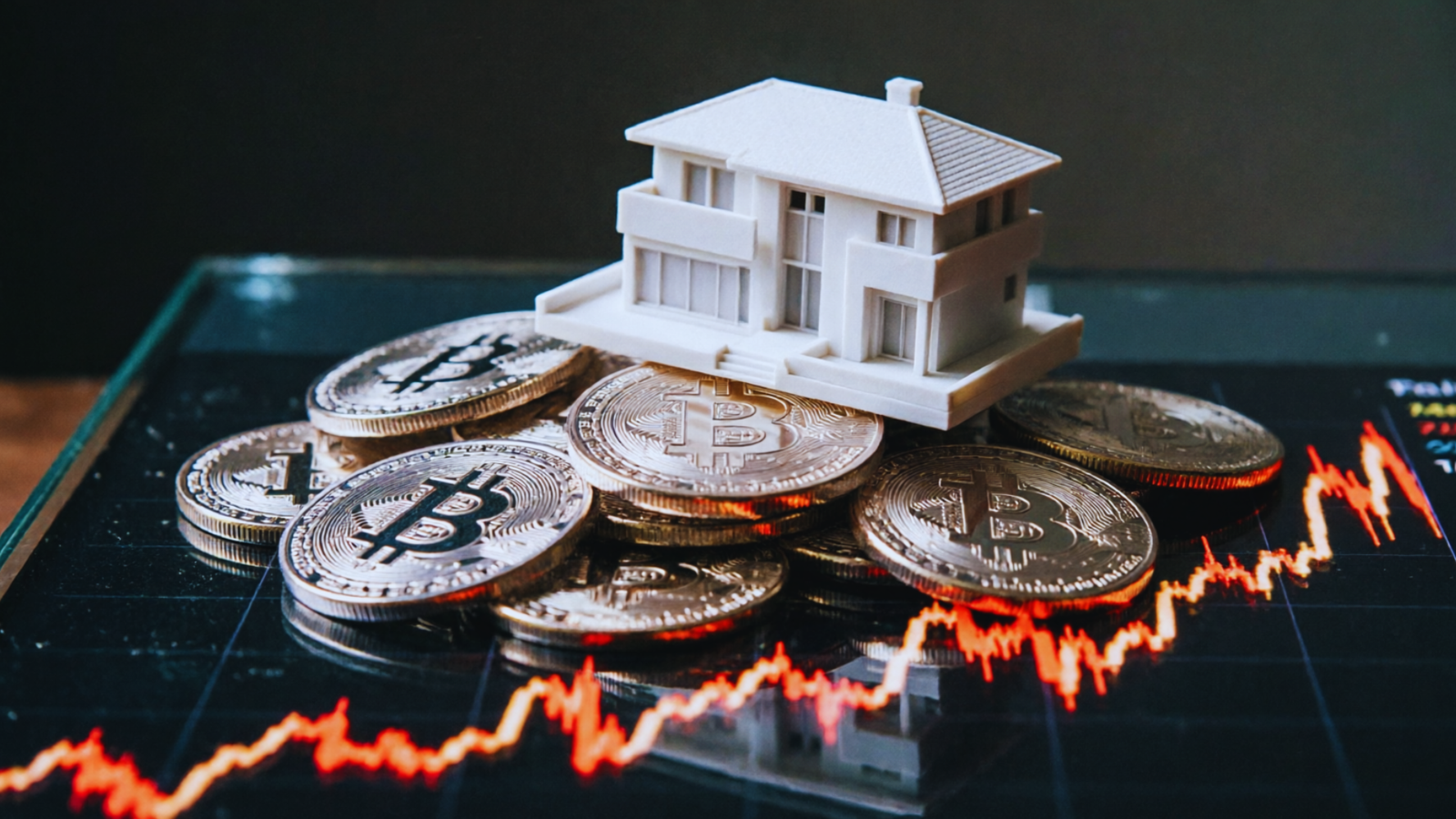

Better Mortgage and Coinbase launched a crypto-backed down-payment product Thursday. Peter Schiff, chief economist at Euro Pacific Asset Management, responded by calling the concept a “horrible idea.” Schiff argues that a Bitcoin crash would cause down payments to vanish and increase default rates.
- Coinbase and Better Mortgage launch a crypto-backed down-payment product requiring 250% Bitcoin over-collateralization.
- The primary mortgage qualifies as a conforming loan, linking crypto volatility to the federally backed Fannie Mae system.
- Peter Schiff argues that the crypto-collateralized arrangement is a scam designed to prevent investors from selling their Bitcoin.
Coinbase pitched the offering as a way to “get your house and keep your crypto.” The product allows homebuyers to pledge Bitcoin or USDC as collateral for down payments rather than liquidating portfolios.
Schiff, a long-time crypto skeptic, warned that pledging Bitcoin substantially increases risk. “If Bitcoin crashes, the down payment vanishes,” Schiff posted on X. “That increases both the likelihood of default and the loss to the lender in foreclosure.”
Lenders manage collateral risk daily, one user argued in response. Schiff pointed to a legal hurdle: “Under these loans, the lender is not allowed to sell the Bitcoin until after the loan goes into default.” Schiff later characterized the arrangement as a “scam” designed to discourage Bitcoin holders from selling assets.
The Dual-Loan Structure
The Coinbase-Better model uses two simultaneous loans at closing. A traditional 30-year fixed-rate mortgage covers the property. A separate down payment loan is secured by cryptocurrency in Coinbase Prime custody.
Genuine News Deserves Honest Attention.
High-conviction projects require an intelligent audience. Connect with readers who value sharp reporting.
👉 Submit Your PRBorrowers make a single combined monthly payment. Bitcoin requires 250% over-collateralization. USDC requires 125%. Pledged assets falling below these thresholds trigger a margin call. Better Mortgage can then liquidate the digital holdings.
Systemic Volatility and Fannie Mae’s Role
Significant price drops erode the economic value of the collateral. Default probability increases if a crypto crash coincides with a broader economic downturn affecting borrower income. The model introduces a potential correlation between crypto market performance and housing defaults. Such a dynamic has not existed in traditional mortgage lending.
The primary mortgage qualifies as a conforming loan. Conforming status makes the debt eligible for securitization with Fannie Mae backing. The designation provides access to the government-supported secondary mortgage market and links crypto-market volatility to the federal housing system.
Chain Street’s Take
Peter Schiff is right to raise the red flag. Crypto-backed mortgages inject an untested risk into housing finance.
The product solves a liquidity problem for asset-rich but cash-poor buyers. It achieves this by importing crypto market volatility into the federal mortgage system. Fannie Mae’s willingness to allow these mortgages to qualify as conforming is the quiet but critical development. Volatility is now entering a market backed by implicit government support.
Collateral haircuts often fail when markets move sharply and liquidity evaporates. History suggests the 250% buffer may be insufficient during a true stress event. The experiment sets a significant precedent. A major crypto downturn will eventually test if the housing finance system can handle the added correlation risk. Schiff’s critique highlights a structural misalignment that deserves strict regulatory scrutiny.
Activate Intelligence Layer
Institutional-grade structural analysis for this article.