

ChainStreet
WHERE CODE MEETS CAPITAL
Loading prices…
Powered by CoinGecko
CRYPTO CRIME

US Prosecutors Gut Crypto Volume Engines in Market Maker Purge

DOJ indicts ten executives at Gotbit and Vortex for systematic wash trading as Singapore assists with high-profile extraditions.

US Prosecutors Gut Crypto Volume Engines in Market Maker Purge

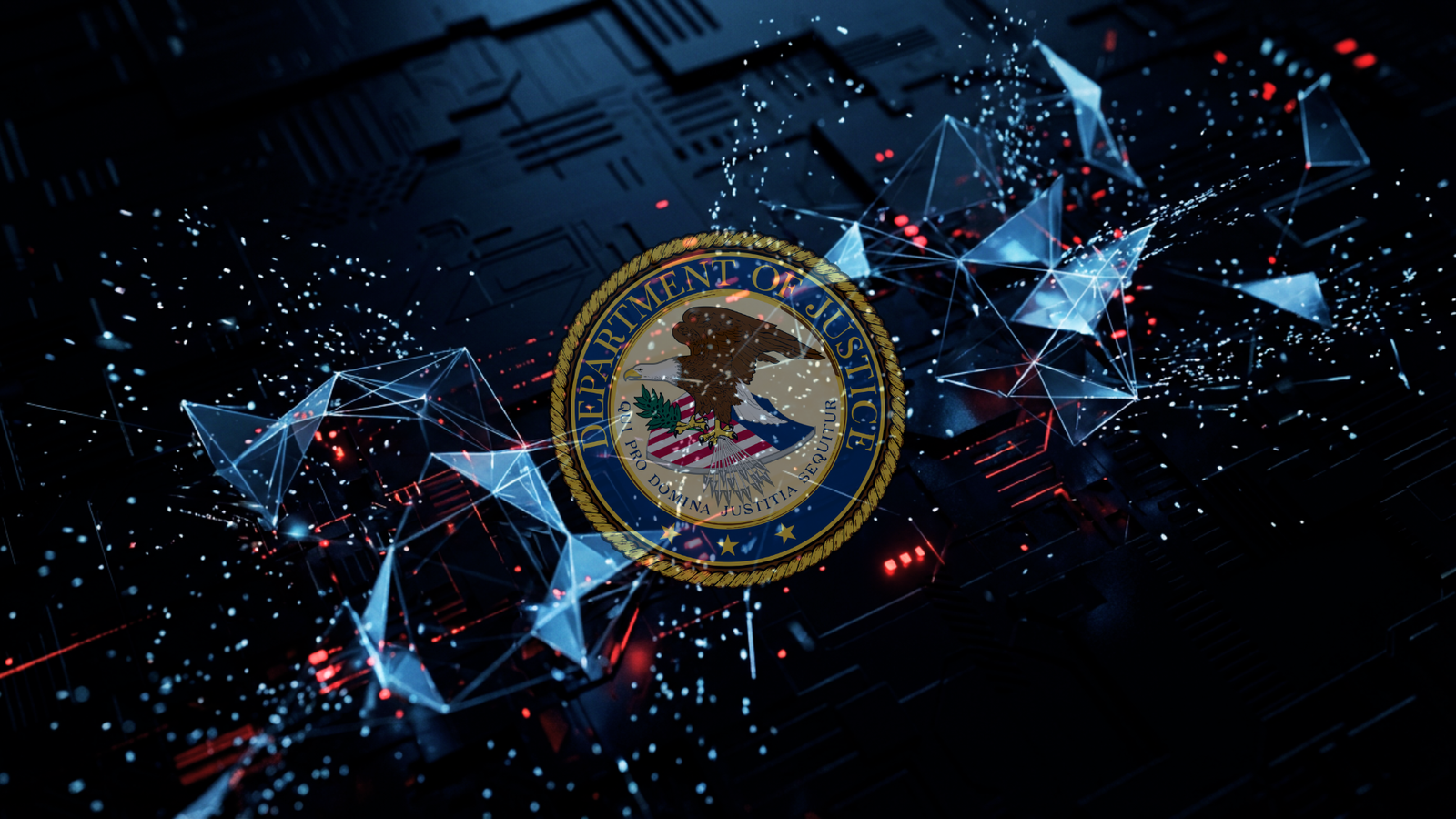
Ten executives at four crypto market makers face prison terms for faking billions in trading volume. The Department of Justice unsealed the indictments on March 30. Charges hit Gotbit, Vortex, Antier, and Contrarian. Prosecutors claimed these firms operated the manipulation machinery for altcoin exchanges. The era of easy synthetic liquidity ended this week.

Key Takeaways
  • DOJ indicted ten executives from Gotbit, Vortex, Antier, and Contrarian for systematic wash trading and market manipulation.
  • The March 30 indictments target firms that faked billions in trading volume since 2018, carrying potential 20-year prison sentences.
  • High-profile extraditions from Singapore signal a collapse of offshore safe havens as US prosecutors use wire fraud charges to purge synthetic liquidity.
Listen to this article

Algorithms Generated Billions in Fake Volume

Crypto markets lacked guardrails for a decade. Exchanges needed high numbers to attract users. Retail buyers wanted active charts. Market makers filled that demand. Some firms chose fraud over honest liquidity.

Gotbit launched in 2018 and became the primary player. The firm claimed to handle hundreds of billions in volume. Vortex and Antier ran similar operations. DOJ teams found leaders used coordinated wash trades. The same parties bought and sold the same tokens in closed loops. Bots faked the interest. Wallets were layered by the hundreds. Firms billed their clients for the faked activity.

“By artificially inflating trading volumes and creating the appearance of legitimate market activity, the defendants manipulated prices,” the DOJ stated in the Oakland filing.

Authorities Nuked Safe Harbor Status

Firms generated massive volume with zero economic value. Retail traders took the losses. These investors used bot-driven metrics to judge the health of a coin. Many tokens bled out when the synthetic support stopped.

Advertisement · Press Release

Genuine News Deserves Honest Attention.

High-conviction projects require an intelligent audience. Connect with readers who value sharp reporting.

👉 Submit Your PR

The investigation spanned multiple borders. Most defendants lived in Singapore. Local police worked with US agents. Three executives reached the United States via extradition. They appeared in federal court in Oakland. The move signaled the end of the city-state as a refuge for offshore crypto firms.

DOJ Action Axed Synthetic Liquidity

Wash trading stayed in a gray zone since the early days of the industry. Jurisdictional confusion made police work slow. The DOJ changed the tactics. Prosecutors used wire fraud counts to break the cycle. Prison terms for these charges reached 20 years.

Synthetic volume vanished when the firms went dark. Order books thinned. Spreads widened. Projects that paid for volume found no organic buyers. Institutional desks stayed away because of the rot. Cleaning the plumbing helped the long-term trade for professional investors.

FBI Agents Tracked Trades via Undercover Wallets

Agencies ran a coordinated hit. FBI staff used undercover accounts to track the wash trades. IRS agents followed the cash. Indictments gave regulators a playbook for hitting infrastructure bosses.

Chain Street’s Take

The market maker purge killed the industry’s original sin. Wash trading propped up junk coins for seven years. It lied to retail buyers. Prosecutors finally labeled the model as criminal.

Altcoin markets look empty today. That is the price of a clean tape. Supply and demand now dictate the price. Retail took the hit first. Token projects face a reality check. Crypto just got honest.

CHAIN STREET INTELLIGENCE

Activate Intelligence Layer

Institutional-grade structural analysis for this article.

FAQ

Frequently Asked Questions

01

What is crypto wash trading?

Wash trading occurs when a single entity simultaneously buys and sells the same asset to create a false appearance of market activity. Gotbit and Vortex allegedly used automated algorithms to generate billions in fake volume since 2018. Tactics like these deceive retail investors into believing a token has organic demand and liquidity.
02

Why does this matter for the altcoin market?

The purge of volume engines causes order books to thin and spreads to widen across multiple exchanges. Projects that relied on Antier or Contrarian for artificial support now face a significant reality check as organic demand fails to replace bot activity. Institutional desks are likely to avoid these affected assets until the market establishes a clean trading tape.
03

How will the DOJ execute these prosecutions?

US prosecutors are utilizing wire fraud charges and international cooperation with Singapore to secure extraditions for the ten indicted executives. FBI agents tracked the manipulation using undercover wallets while IRS staff followed the illicit cash flows through layered accounts. Defendants now face up to 20 years in federal prison following their initial court appearances in Oakland.
04

What are the risks of synthetic liquidity?

Synthetic liquidity creates a fragile market environment where prices are untethered from actual supply and demand. Retail traders often suffer heavy losses when the bot-driven support layers vanish, leaving them holding illiquid tokens with no exit path. Systemic rot like this discourages professional capital from entering the digital asset space due to pervasive price manipulation.
05

What happens next for market makers?

Crypto market makers will shift toward strictly compliant liquidity provision as the DOJ establishes a clear precedent for criminalizing wash trading. Token projects must now prove their value through verifiable on-chain metrics and organic community growth rather than paid volume services. Global regulators will likely adopt the FBI's playbook for monitoring infrastructure providers and enforcing market integrity.

You Might Also Like

CHAINSTREET
🛡
Alex Reeve

Alex Reeve is a contributing writer for ChainStreet.io. Her articles provide timely insights and analysis across these interconnected industries, including regulatory updates, market trends, token economics, institutional developments, platform innovations, stablecoins, meme coins, policy shifts, and the latest advancements in AI, applications, tools, models, and their broader implications for technology and markets.

The views and opinions expressed by Alex in this article are her own and do not necessarily reflect the official position of ChainStreet.io, its management, editors, or affiliates. This content is provided for informational and educational purposes only and does not constitute financial, investment, legal, or tax advice. Readers should conduct their own research and consult qualified professionals before making any decisions related to digital assets, cryptocurrencies, or financial matters. ChainStreet.io and its contributors are not responsible for any losses incurred from reliance on this information.