
BTC $66,857.00 ▲ 1.78% ETH $2,021.67 ▲ 2.15% BNB $616.22 ▲ 1.43% SOL $83.4100 ▲ 1.44% XRP $1.3500 ▲ 1.78% ADA $0.2506 ▲ 1.84% DOGE $0.0926 ▲ 3.05% DOT $1.2800 ▲ 0.42% BTC $66,857.00 ▲ 1.78% ETH $2,021.67 ▲ 2.15% BNB $616.22 ▲ 1.43% SOL $83.4100 ▲ 1.44% XRP $1.3500 ▲ 1.78% ADA $0.2506 ▲ 1.84% DOGE $0.0926 ▲ 3.05% DOT $1.2800 ▲ 0.42%
Latest News
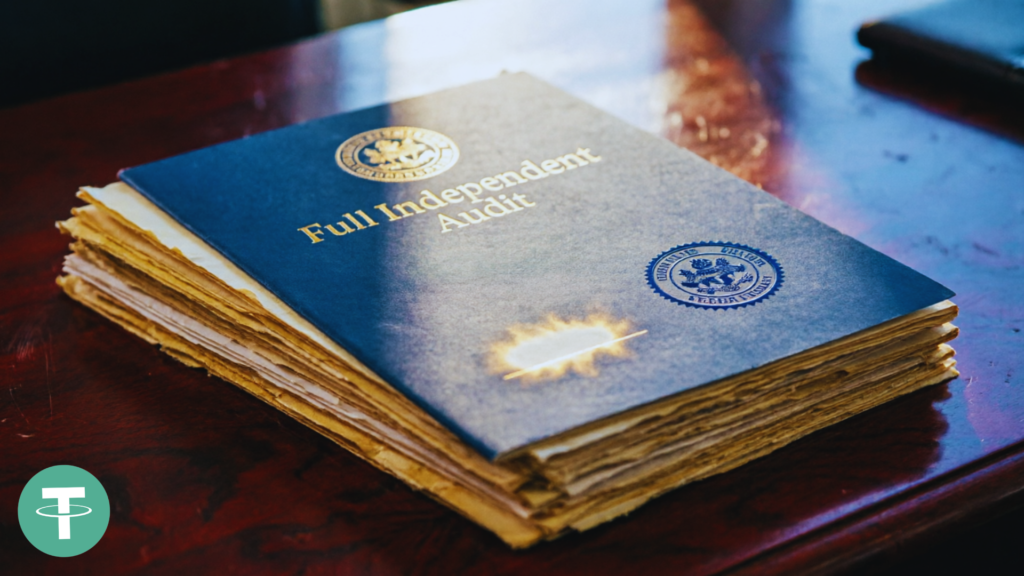
Tether Announces Big Four Audit Engagement as Nearly A Decade of Pledges Remains Unmet

Tether Announces Big Four Audit Engagement as Nearly A Decade of Pledges Remains Unmet

The stablecoin issuer claiming $184 billion in reserves has yet to deliver a full independent audit. The latest announcement follows a ten-year cycle of commitments and limited attestations.

Key Takeaways
  • Tether engages an unnamed Big Four accounting firm to perform the first full independent audit of its stablecoin reserves.
  • Management claims a record $184 billion in reserves while maintaining the USDT peg despite ongoing transparency skepticism from industry researchers.
  • CEO Paolo Ardoino faces structural pressure as a decade of unmet audit pledges creates systemic risk for institutional digital infrastructure.
Listen to this article
Tether Announces Big Four Audit Engagement as Nearly A Decade of Pledges Remains Unmet

Tether announced on March 24 it has engaged a Big Four accounting firm to conduct its first full independent financial statement audit. CEO Paolo Ardoino stated the move reflects “the company’s longstanding dedication to global accessibility and financial empowerment,” alongside the facilitation of commerce. The market’s response was muted: USDT held its peg while trading volume and sentiment indicators showed no significant deviation from monthly averages.

A History of Unmet Commitments

Financial verification has been a recurring point of contention for Tether since 2017. The company previously engaged Friedman LLP for an audit, but the relationship ended without a completed report. Similar promises surfaced in 2019 and again after the 2021 CFTC fine and New York Attorney General settlement.

Tether has primarily delivered quarterly attestations to date. Snapshots offer limited windows into specific reserve pools on set dates. Attestations are distinct from comprehensive audits, which examine all assets, liabilities, internal controls, and operational practices. Protos data shows a consistent cycle: high-profile announcements are typically followed by silence or qualified attestations until reputational pressure prompts a new commitment.

Expert Skeptics and the Verification Gap

The March 24 statement does not name the Big Four firm or provide a timeline for completion. Tether described the engagement as potentially the largest inaugural audit in financial history. Verification of the auditor’s name and the specific scope of work remains outstanding.

“Tether has promised a full audit over a dozen times in the past decade,” said Jacob King, a cryptocurrency transparency researcher. “They claim to have engaged a Big Four accounting firm but haven’t disclosed which one. The chances of them actually completing the audit are effectively zero.”

Managing claimed reserves of approximately $184 billion offers multiple paths to transparency, including real-time on-chain verification or granular asset reporting. Management has historically prioritized marketing and reassurance cycles alongside regulatory navigation over building these operational capabilities.

Market Necessity vs. Verification

USDT’s dominance stems from network effects and institutional necessity. Traders and DeFi protocols require a reliable dollar-denominated unit for collateral and settlement. Adoption has scaled to record highs without a comprehensive, independent audit of full reserves. Implicit regulatory tolerance has reinforced USDT’s market position.

In bull markets, verification gaps receive less scrutiny. Bear market conditions move these discrepancies into sharper focus. For institutions treating stablecoins as foundational infrastructure, the gap between necessity and verified proof is a material concern.

Chain Street’s Take

Tether’s latest Big Four engagement follows a ten-year pattern of announcements, delays, and qualified deliverables. The market should treat the news as a continuation of the previous cycle until a named auditor publishes signed financial statements with full independent verification.

Verified reserves have been a secondary factor in USDT’s market share. Necessity and liquidity, bolstered by network effects, have driven its dominance. Tether has had ten years to close the verification gap. Management appears to have allocated capital to growth and marketing rather than full operational transparency.

Trust is distinct from verification. As stablecoins move toward institutional infrastructure status, the persistent gap between promises and proof creates systemic risk. Investors can reassess once a complete audit is published. Until then, pricing Tether as a regulatory-tolerated necessity with unproven backing is the only prudent stance.

CHAIN STREET INTELLIGENCE
FAQ

Frequently Asked Questions

01

What is the Tether Big Four audit engagement?

Tether has contracted a major accounting firm to perform a comprehensive financial statement audit of its $184 billion reserves. CEO Paolo Ardoino announced the engagement on March 24 after years of relying on limited quarterly attestations. This process aims to provide the first independent verification of the company’s total assets, liabilities, and internal governance controls.
02

Why does this matter for the stablecoin industry?

USDT functions as the primary liquidity rail for decentralized finance and institutional digital asset settlement. Tether currently commands a dominant market share despite a decade of operating without a finalized Big Four financial report. Successful verification would de-risk the ecosystem while continued delays maintain systemic vulnerability for global digital finance participants.
03

How will the Big Four firm execute this audit?

The auditors will examine the full balance sheet of Tether Holdings Limited to reconcile bank balances with token circulation. Documentation indicates this procedure involves inspecting all internal controls and operational practices across multiple international jurisdictions. Tether has not disclosed the name of the firm or provided a specific deadline for the publication of results.
04

What are the risks of the audit announcement?

Historical patterns show Tether has previously engaged firms like Friedman LLP without delivering a final completed audit report. Researcher Jacob King notes that the company has made similar promises over a dozen times since its 2014 launch. Failure to provide the auditor's name suggests this move may be a marketing cycle rather than a transparency pivot.
05

How do attestations differ from a full audit?

Attestations provide limited snapshots of specific reserve pools on a set date and don't confirm the overall financial health of the issuer. A full audit requires an exhaustive examination of the entire balance sheet, including liabilities and the adequacy of internal management systems. Tether has historically relied on snapshots to reassure markets while avoiding the rigorous scrutiny of a comprehensive audit.
🛡
Alex Reeve

Alex Reeve is a contributing writer for ChainStreet.io. Her articles provide timely insights and analysis across these interconnected industries, including regulatory updates, market trends, token economics, institutional developments, platform innovations, stablecoins, meme coins, policy shifts, and the latest advancements in AI, applications, tools, models, and their broader implications for technology and markets.

The views and opinions expressed by Alex in this article are her own and do not necessarily reflect the official position of ChainStreet.io, its management, editors, or affiliates. This content is provided for informational and educational purposes only and does not constitute financial, investment, legal, or tax advice. Readers should conduct their own research and consult qualified professionals before making any decisions related to digital assets, cryptocurrencies, or financial matters. ChainStreet.io and its contributors are not responsible for any losses incurred from reliance on this information.