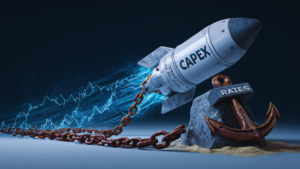

Billions of dollars in crypto tokens are quietly ticking toward release, and most investors aren’t watching. Yet these scheduled token unlocks—insider-held tokens hitting the market—can send prices tumbling or rallying overnight. From the Trump-linked WLFI token to Solana and Aptos, understanding who’s unlocking what, and when, is now as essential as reading price charts.
- Billions of dollars in crypto tokens are quietly ticking toward release, yet most investors are not watching.
- Scheduled token unlocks can send prices tumbling or rallying overnight as insider-held tokens hit the market.
- From the Trump-linked WLFI token to Solana and Aptos, understanding unlock schedules is now as essential as reading price charts.
Key Points
- An In-Built Headwind: Scheduled unlocks increase circulating supply, creating predictable sell pressure.
- Holder Profile Matters: VCs, teams, and community members behave differently; who receives tokens often dictates the price impact.
- Narrative vs. Inflation: Strong projects with growing ecosystems can absorb large unlocks without price collapse.
What Are Token Unlocks, Really?
Token unlocks are the crypto equivalent of stock vesting schedules. When a project launches, only a fraction of its total supply is tradable. The rest is locked—held by founders, early investors, and the project’s treasury—and released over months or years according to a vesting plan.
Key Terms:
- Cliff: A large batch of tokens unlocked at once, often causing price swings.
- Linear Vesting: Gradual release over time, smoothing supply increases.
- Circulating Supply: Tokens available for trading on the market.
- Total Supply: Total number of tokens that will ever exist.
The Unspoken Forces: How Unlocks Affect Price
A simple rule: more supply can push prices down. But token unlocks aren’t mechanical—they interact with market psychology and narrative.
Four factors shape the impact:
Genuine News Deserves Honest Attention.
High-conviction projects require an intelligent audience. Connect with readers who value sharp reporting.
👉 Submit Your PR- The Flood of New Supply: Large cliffs can dramatically increase circulating supply, creating immediate sell pressure.
- The Psychology of the Holder:
- VCs: Often sell to de-risk, regardless of long-term belief in the project.
- Team Members: Less likely to dump en masse but may sell to diversify.
- Community: Outcomes are unpredictable; some sell, others hold, stake, or use tokens in the ecosystem.
- VCs: Often sell to de-risk, regardless of long-term belief in the project.
- The Pre-Unlock Game: Traders anticipate large unlocks, often shorting the asset in advance, which can create a “sell the rumor, buy the news” effect.
- The Counter-Narrative: Strong project growth, ecosystem adoption, or new products can absorb supply and neutralize sell pressure.
Token Unlocks Case Study: From Cliffs to Smooth Sailing
WLFI: The Trump-linked token recently unlocked $483 million in insider-held supply, a public stress test of liquidity. Early moves from venture-backed wallets created predictable pressure on the market.
Aptos (APT): A top-heavy unlock schedule dominated by insiders led to persistent overhang. The market constantly anticipates selling from early investors.
Solana (SOL): Despite large insider unlocks, explosive ecosystem growth absorbed the supply. DeFi, NFT, and DePIN activity proved the narrative could overpower inflation.
Arbitrum (ARB): Community airdrops created immediate volatility, but distributing governance tokens widely incentivized long-term holding.
How to Analyze an Unlock Schedule Like a Pro
Before investing, a clear-eyed review of token unlocks is critical.
Checklist:
- Check the Source: Use platforms like Token Unlocks or Vestlab for official schedules.
- Identify the “Who”: Look at allocations—high insider percentages suggest sell pressure.
- Quantify the “When”: Large cliffs relative to circulating supply (>5%) are significant.
- Assess the Narrative: Is the project delivering and growing? A strong story can mitigate inflationary pressure.
ChainStreet’s Take
Token unlocks are a forcing function for truth. They reveal whose conviction is real and whose was merely locked away. Weak projects with mercenary early investors often bleed during unlocks. Strong projects with real users and active teams can sail through.
In the long run, unlock schedules are a feature, not a bug. They replace opaque Wall Street IPO lockups with verifiable public calendars. Traders and investors ignoring this calendar do so at their peril. Smart money watches. So should you.
Activate Intelligence Layer
Institutional-grade structural analysis for this article.