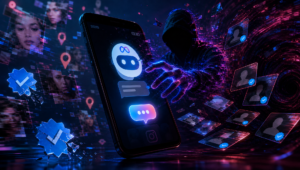


Tools for Humanity rolls out World ID 4.0 this week, expanding its iris-based verification system into consumer apps, business tools, and AI agent workflows. Nearly 18 million people have already verified across 160 countries.
- Tools for Humanity launches World ID 4.0, integrating iris-based biometric verification into consumer applications like Tinder and AI agent workflows.
- Nearly 18 million people across 160 countries have already verified their identity through iris scans as the network expands globally.
- The new AgentKit enables verified humans to delegate credentials to AI agents, establishing a cryptographic trust layer for the machine economy.
The upgrade brings an account-based architecture, improved key management, open-source components, and new tools for delegating credentials. This makes the system far more flexible as real-world adoption accelerates.
Major Platform Integrations Go Live
The expansion quickly reached everyday platforms. Tinder brought Verified Human badges to the United States after a successful Japan pilot. Verified users now receive the badge along with five free Boosts for a limited time.
Video and productivity tools followed. Zoom launched Deep Face, a real-time verification that matches the original Orb cryptographic signature, a device liveness check, and the live video feed.
DocuSign added proof-of-human checks to digital signature workflows. Shopify, Okta, Vercel and other partners integrated the system across commerce, enterprise identity, and developer applications.
Genuine News Deserves Honest Attention.
High-conviction projects require an intelligent audience. Connect with readers who value sharp reporting.
👉 Submit Your PRAgentKit Enables Human-AI Delegation
The most significant development sits in agent capabilities. The launch introduced AgentKit, a developer toolkit that lets verified humans delegate their World ID to AI agents. Those agents can then shop, negotiate, or execute tasks while carrying cryptographic proof that a real person stands behind them.
Okta plans to build a Human Principal product for policy enforcement around agents. Vercel, meanwhile, added human-in-the-loop checkpoints into its Workflow SDK.
Pantera Capital, an investor in the project, pointed to the broader context. The firm noted that AI now generates more information than humans, making reliable distinction between people and agents essential for online trust.
All of this directly tackles a growing pain point. Deepfakes, bots, and automated fraud continue to create major friction across dating, video calls, contracts, and commerce. World’s system lets users verify once, primarily through an Orb iris scan, with lighter selfie options available in some cases, and then carry a portable, privacy-preserving credential that platforms can validate without learning personal details.
Chain Street’s Take
World delivered concrete integrations and agent delegation tools right out of the gate. The infrastructure addresses real problems as AI agents shift from conversation to economic action.
Privacy protections rest on zero-knowledge techniques and recent protocol upgrades, though regulatory gaps on biometric data persist. The rollout is active and adoption will reveal how well utility and control stay in balance.
Activate Intelligence Layer
Institutional-grade structural analysis for this article.