

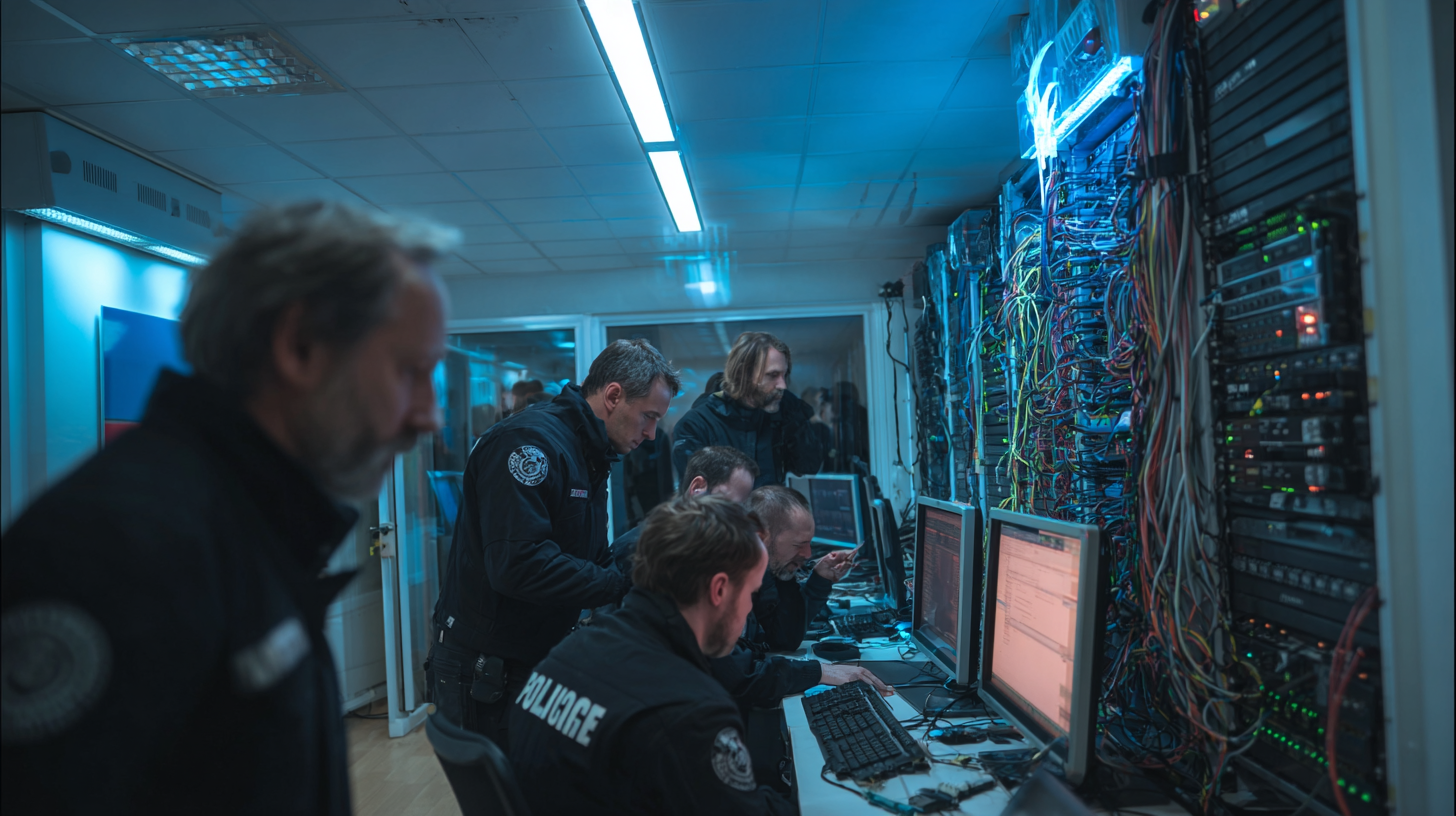

A cross-border sting has broken apart a sprawling SIMCARTEL that powered fake identities, market manipulation, and digital fraud across Europe, showing how rented phone numbers became the quiet machinery of global scams.
- Operation SIMCARTEL, launched October 10, 2025, in Latvia, dismantled a massive SIM farm network tied to cybercrime.
- Police seized 1,200 SIM-box devices, 40,000 active SIM cards, froze €431,000 ($464,000) in bank accounts, and $333,000 in crypto, leading to seven arrests.
- The network generated 49 million fake accounts, distorting crypto engagement metrics and undermining trust in digital markets.
Inside Operation SIMCARTEL: Europe’s Largest SIM Farm Raid
When Latvian police entered a series of storage units outside Riga, they didn’t find narcotics or weapons. They found walls of buzzing SIM-boxes, each packed with hundreds of active cards.
This was the core of Operation SIMCARTEL, a coordinated investigation led by Europol, Eurojust, and police from Austria, Estonia, Finland, and Latvia.
The network rented out temporary phone numbers through websites like gogetsms.com and apisim.com, letting users register anonymously on messaging apps, social platforms, and crypto exchanges. Each number was tied to a real person in another country, masking the true operator behind every account.
Authorities described the setup as “technically sophisticated,” spanning more than 80 countries and earning millions from fraud-linked services.
Genuine News Deserves Honest Attention.
High-conviction projects require an intelligent audience. Connect with readers who value sharp reporting.
👉 Submit Your PRMillions Lost, Thousands Defrauded in SIMCARTEL Operations
Europol linked SIMCARTEL to over 3,200 confirmed fraud cases, including 1,700 in Austria and 1,500 in Latvia, with losses totaling €4.92 million ($5.29 million).
The coordinated raids on October 10, 2025, involved 26 searches across Latvia. Investigators seized €48,700 ($52,000) in cash, €431,000 ($464,000) in frozen accounts, and $333,000 in cryptocurrency. They also confiscated 1,200 SIM-box devices, 40,000 active SIM cards, and four luxury vehicles suspected of being used for laundering.
Two additional arrests followed on October 15, bringing the total to seven suspects in custody.
The Transatlantic Spread of SIM Farms
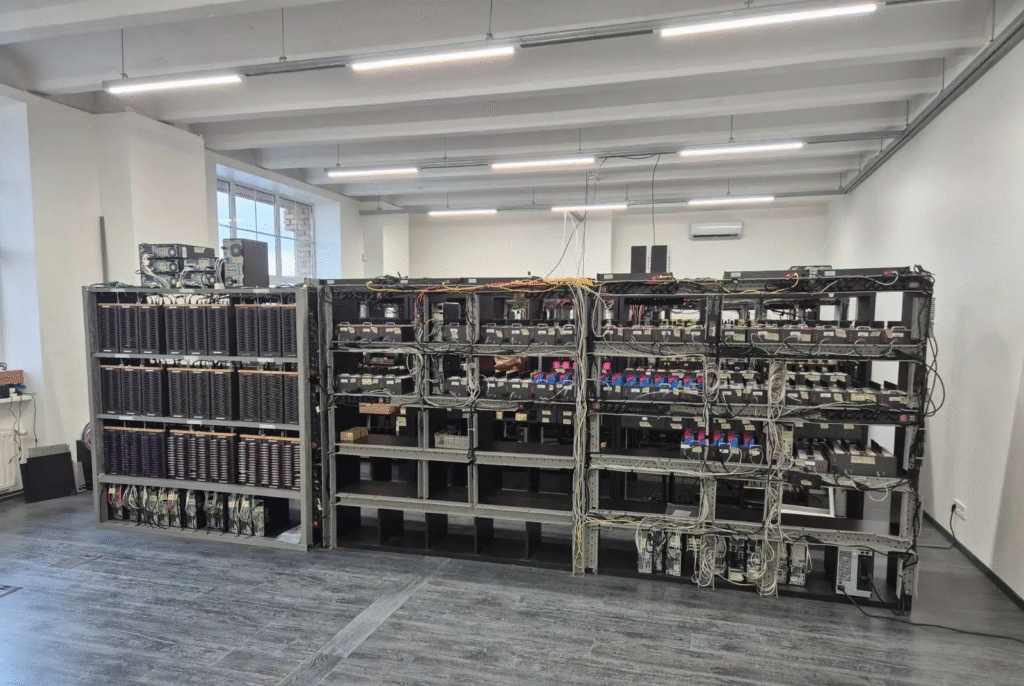
Just weeks before Europe’s raids, the U.S. Secret Service (USSS) and Homeland Security Investigations (HSI) disrupted another SIM farm cluster in the New York tristate area.
Agents seized more than 300 SIM servers and 300,000 SIM cards, capable of pushing nearly 30 million text messages per minute. Forensic analysts found links to organized crime groups and possible state-backed operators.
U.S. investigators said the system could enable wide-scale fraud, coordinated misinformation, or infrastructure attacks. The probe remains active.
Fake Identities and the Illusion of Crypto Engagement
In Web3, perception often drives value. A surge in wallet activity, community members, or social followers can suggest momentum. But investigators say many of those signals were manufactured.
The SIMCARTEL network created up to 49 million fake accounts, capable of inflating engagement across crypto projects and decentralized apps. Artificially boosted communities attract real investors and liquidity before collapsing once the illusion fades.
Cybersecurity analyst @TheCodexDelta described it as “identity infrastructure being ripped apart,” adding that once phone verification is commodified, “markets lose their grounding in reality.”
The danger isn’t only fraud but also systemic distortion of market signals in an economy built on digital trust.
Chain Street’s Take
SIMCARTEL’s dismantling exposes a critical weakness in the digital economy. When anyone can rent or fake a phone-verified account, authenticity itself becomes negotiable.
For crypto projects, inflated social graphs and synthetic wallet activity warp valuations and investor sentiment. The result is a feedback loop where deception looks like demand.
As Europol continues tracing data from seized servers, regulators and builders should treat SIMCARTEL as more than a cybercrime story. It’s a test of digital market integrity.
The next phase of Web3 will hinge on verifiable identity frameworks—on-chain verification, authentication layers, and deeper anomaly detection. Without them, digital economies will remain open to the same illusion this cartel sold by the millions: credibility for rent.
Activate Intelligence Layer
Institutional-grade structural analysis for this article.