
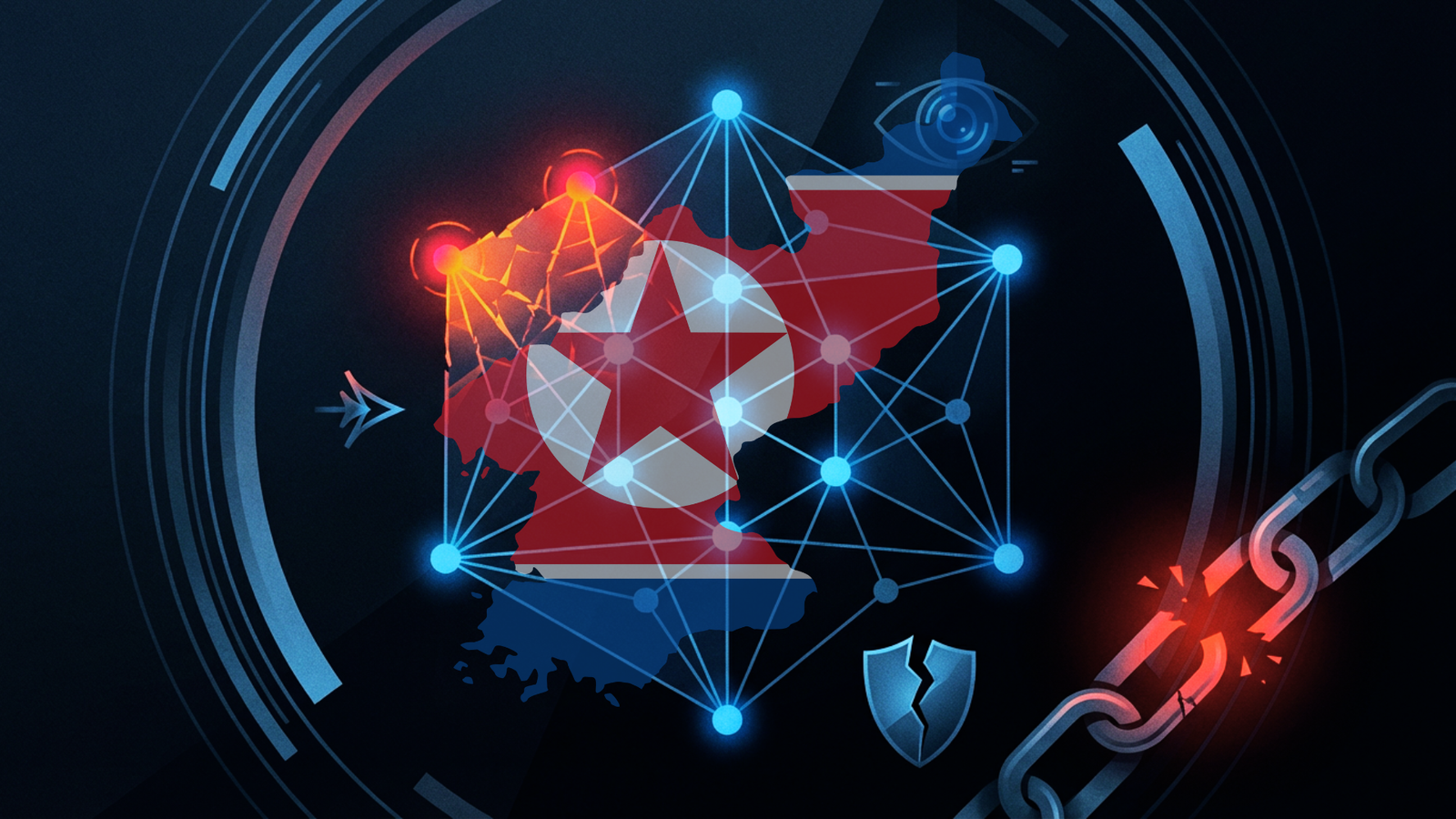

Drift Protocol faces a $285 million liquidity crisis following an April 1 security breach. The Solana-based perpetuals exchange pins the loss on a targeted human-focused campaign rather than a failure of the underlying smart contract code.
- Drift Protocol lost $285 million in a liquidity crisis following a targeted infiltration campaign by North Korean group UNC4736.
- Attackers exploited a two-of-five signature threshold on March 27, draining core vaults in roughly 12 minutes using pre-signed transactions.
- The breach demonstrates that smart contract audits offer no protection when state-backed operatives use social engineering to bypass decentralized security protocols.
Calculated Infiltration and Rapport Building
Security firms including SEAL 911 and TRM Labs linked the breach to the North Korean group UNC4736. Attribution remained at a medium to medium-high confidence level.
Operatives launched the campaign in late 2025 by pretending to represent a quantitative trading firm. Such actors reached out through messaging apps and built personal rapport at industry conferences. Group members deposited their own capital into the protocol over several months to establish credibility as legitimate liquidity providers.
Malware Delivery and Identity Theft
Once trust reached a high threshold, the group delivered malicious software through fake TestFlight applications. Attackers also compromised code repositories by exploiting a security flaw in the VSCode and Cursor development environments.
Such access allowed for silent execution on developer workstations. The operatives harvested administrative credentials and session tokens directly from the machines used for protocol maintenance. Investigators described the move as a way to slip past traditional network defenses.
Genuine News Deserves Honest Attention.
High-conviction projects require an intelligent audience. Connect with readers who value sharp reporting.
👉 Submit Your PRProtocol Management and Execution
A structural shift in the oversight rules handed the attackers an opening. On March 27, administrators migrated the council to a zero-timelock setup with a two-of-five signature threshold to facilitate faster protocol updates.
Using the compromised developer accounts, the group generated pre-signed transactions. Actors relied on the Solana nonce mechanism to store valid transactions and broadcast them simultaneously without blockhash expiration concerns.
On-chain records showed the core vaults emptied in seconds once the transactions hit the network. The full liquidation in various collateral pools wrapped up in roughly 12 minutes.
Forensics and Attribution
Drift administrators froze protocol functions as soon as they spotted the unauthorized outflows. The team removed compromised wallets from the council setup and blacklisted the attacker addresses.
Project leaders brought in Mandiant for device forensics. Federal law enforcement agencies also received notification regarding the theft. Analysts at Elliptic flagged laundering patterns in which social engineering previously defeated multi-signature protections, such as the 2024 Radiant Capital breach. Investigations continued in several cybersecurity firms.
Chain Street’s Take
The Drift Protocol breach identifies a shift in decentralized finance security. Code audits offer no defense when attackers bypass the smart contracts entirely.
State-backed operatives spent months acting as legitimate liquidity providers before delivering code-level malware straight to the keyholders. Stripping out delays and leaning on a low-threshold council handed organized attackers exactly the conditions they needed.
Protocols that skip hardware isolation and rely on a handful of humans without mandatory waiting periods are simply hard to defend against nation-state patience. Administrative oversight becomes the primary exposure when the adversary has a government’s resources behind it.
Activate Intelligence Layer
Institutional-grade structural analysis for this article.