
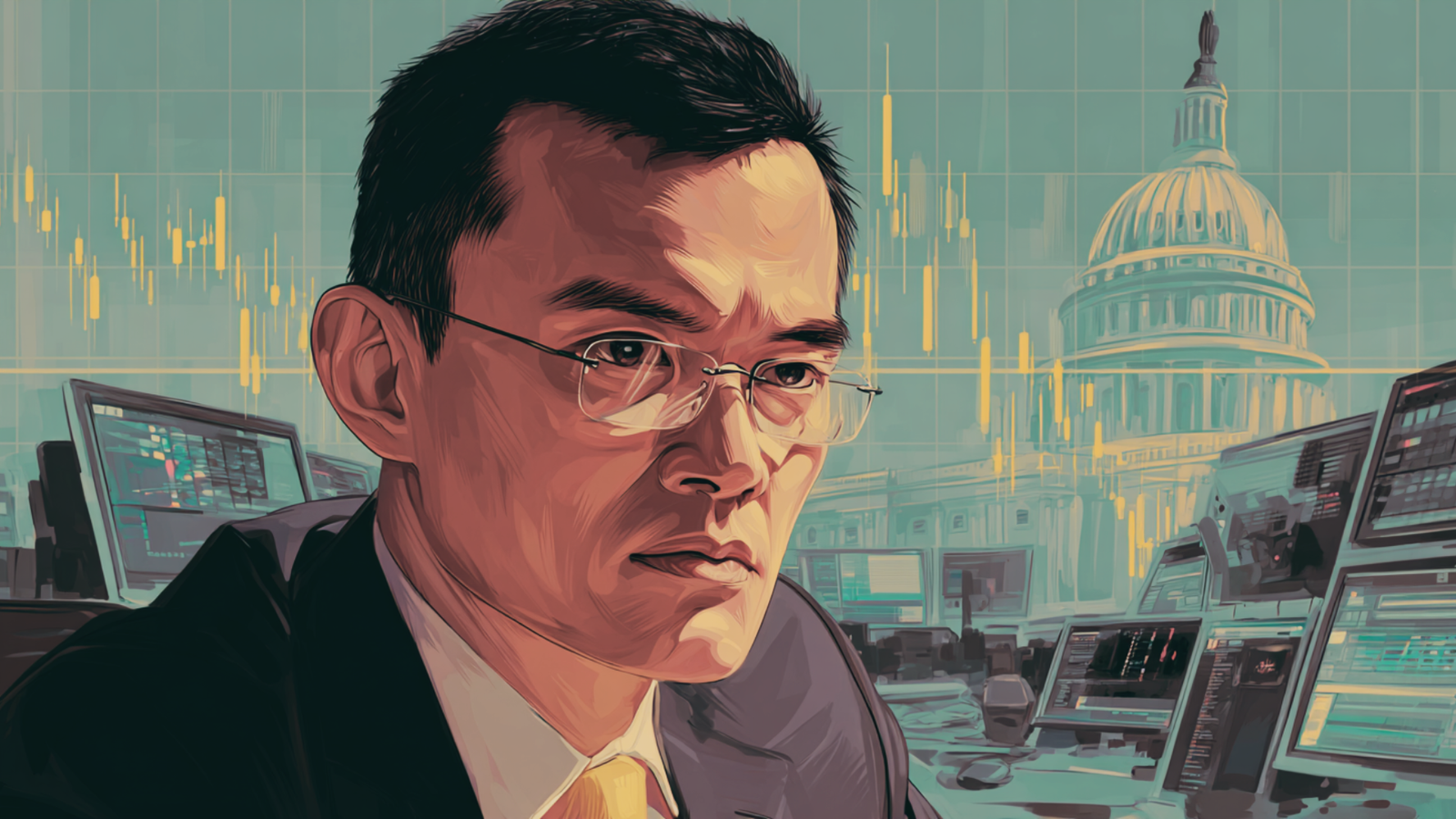

The White House is reportedly actively discussing a potential presidential pardon for Changpeng Zhao, the co-founder and former CEO of Binance, a move that could fundamentally reshape the trajectory of U.S. crypto regulation and CZ’s future influence in the digital asset world. This high-stakes deliberation, confirmed by sources close to CZ speaking with Fox Business Senior Correspondent Charles Gasparino, highlights a potential shift in the federal government’s approach to the industry’s most significant enforcement cases.
- Former Binance CEO Changpeng Zhao (CZ) may receive a presidential pardon from Donald Trump, according to sources close to CZ.
- The pardon discussions center on claims that CZ's previous felony conviction for violating the Bank Secrecy Act was overly harsh, with no fraud charges filed.
- The potential pardon is generating debate over political optics and crypto policy, as CZ, still Binance's largest shareholder, remains a pivotal figure in the digital asset industry.
The Pardon Debate: CZ’s Conviction and White House Dynamics
Zhao’s legal troubles culminated in a November 2023 guilty plea to a single felony count of violating the Bank Secrecy Act (BSA) by failing to maintain an effective anti-money laundering (AML) program at Binance. This resolution, which also saw Binance agree to a staggering $4.3 billion settlement, came after extensive investigations by multiple U.S. agencies, including the Department of Justice (DOJ) and the Treasury Department.
CZ subsequently served a four-month prison sentence, emerging in September 2024. However, allies of CZ, as reported by Gasparino, argue that the case against him was “pretty weak,” contending that the absence of fraud charges, a point CZ has publicly emphasized, made his felony conviction and jail time overly harsh.
Sources close to CZ indicate that former President Donald Trump is “leaning toward a pardon,” viewing the prior administration’s approach as overly aggressive. This consideration, however, navigates complex political currents within the White House, where some advisers are reportedly “worrying about the optics of a pardon given the president’s business interests in crypto.”
Gasparino noted that while a decision is expected soon, such high-profile matters “often drag on longer than expected” and Trump is simultaneously addressing other critical geopolitical priorities, including the Gaza conflict, the war in Ukraine, and ongoing trade negotiations with China.
Genuine News Deserves Honest Attention.
High-conviction projects require an intelligent audience. Connect with readers who value sharp reporting.
👉 Submit Your PRPolitical Backlash and CZ’s Defense
The prospect of executive clemency for CZ has already ignited sharp political criticism. Investigative journalist Laura Loomer publicly questioned the wisdom of such a pardon, stating on X, “Why would anyone think it’s a good idea to give a pardon to @cz_binance, a Chinese national with Emirati citizenship?” Loomer went further, implying that the UAE is a refuge for those seeking to “evade the law” and suggesting mercenary motives behind any pardon campaign.
CZ promptly addressed Loomer’s claims, taking to X to clarify his background: “Laura, thank you for tagging me. I am not a Chinese National, haven’t been for 30 years. I have been a Canadian for 30 years. Just like you, I would need a visa should I wish to visit China.”
He also defended his Emirati citizenship, highlighting that “many top US entrepreneurs get UAE citizenships. UAE is one of the safest and modern countries in the world. I implore you to visit some time. Please do not project your stereotypes onto others.”
Loomer, however, maintained her stance, claiming CZ was “born in China” and that a pardon would add “more baggage that MAGA doesn’t need.”
ChainStreet’s Take: A Pivotal Moment for Crypto Policy
The potential pardon for Changpeng Zhao represents a significant inflection point, not only for CZ himself but for the evolving relationship between the U.S. government and the digital asset industry. A pardon for CZ could signal a softer, more pro-crypto stance from the Trump administration, easing long-standing regulatory pressure on the sector.
As Binance’s largest shareholder, CZ might regain significant influence over the exchange, even without returning as CEO. The potential move raises questions about executive clemency in high-profile financial cases.
Observers are likely to weigh political influence against accountability, especially in an industry still bridging traditional financial rules and crypto’s unconventional structures. Whatever the outcome, the debate underscores how digital assets have become a political flashpoint, highlighting the need for clearer, consistent oversight that balances innovation with investor protection.
Activate Intelligence Layer
Institutional-grade structural analysis for this article.