

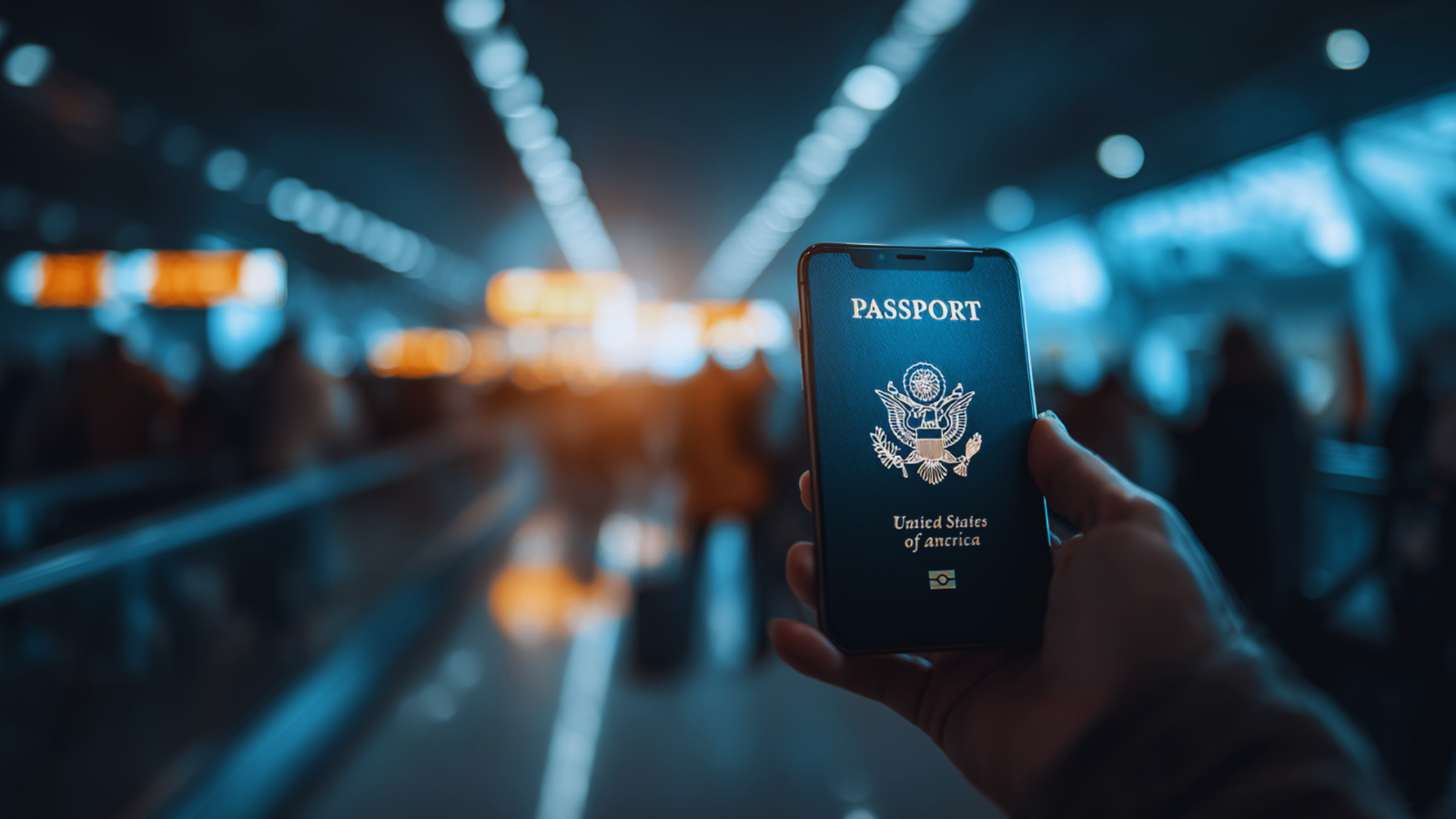

Apple is rolling out its anticipated Digital ID, a new feature that allows U.S. travelers to add their passport information to the Apple Wallet app for use as a valid credential at Transportation Security Administration (TSA) checkpoints across more than 250 domestic airports. The move significantly expands digital identity verification beyond state-issued licenses, enabling millions of passport holders to use their iPhones and Apple Watches to verify their identity for air travel.
- Apple officially launches a Digital ID feature allowing travelers to store passport data directly within the Apple Wallet application.
- The biometric verification system is currently active across 250 domestic airport security checkpoints for users running iOS 26.1.
- Privacy groups like the American Civil Liberties Union warn the standard permits unauthorized government tracking of civilian movements.
How Digital ID Passport Verification Works in Apple Wallet
To create a Digital ID, a user must scan their passport’s photo page and its embedded chip with an iPhone. The process also requires a facial scan, where the user performs a series of head movements for verification against the passport photo.
According to the company, the resulting Apple Digital ID is encrypted and stored locally on the user’s device. The tech giant states it does not know when or where a user presents their Digital ID. The feature is available in a beta version and requires an iPhone with iOS 26.1 or an Apple Watch running watchOS 26.1.
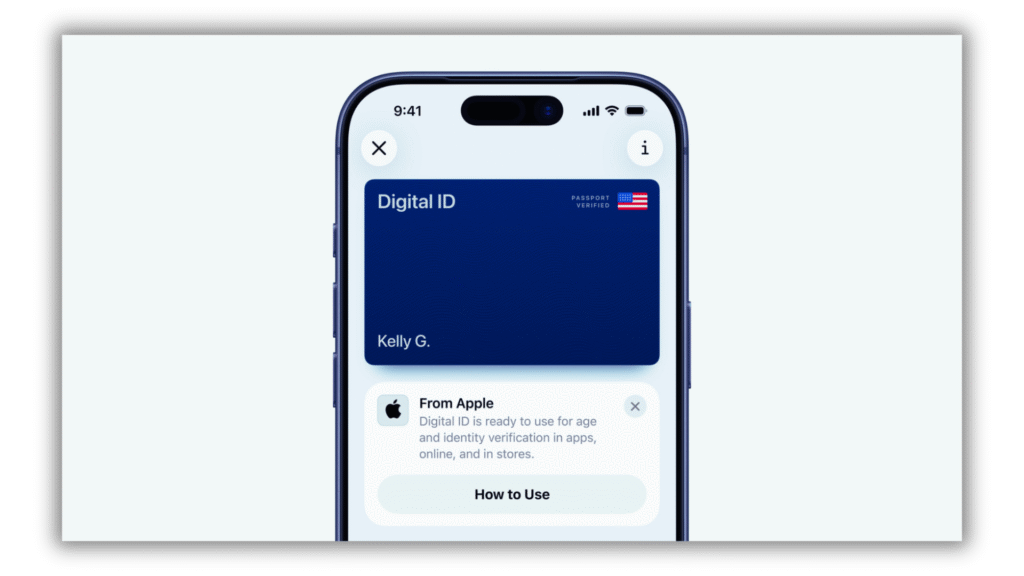
“With the launch of Digital ID, we’re excited to expand the ways users can store and present their identity — all with the security and privacy built into iPhone and Apple Watch,” said Jennifer Bailey, Vice President of Apple Pay and Apple Wallet, in a statement.
Expansion Beyond State-Issued Mobile Driver’s Licenses
The passport-based ID provides a new option for users in states that do not yet offer a mobile driver’s license in Apple Wallet. To date, the company has enabled the feature for state-issued IDs in 12 states and Puerto Rico. This initiative is part of a larger strategy to replace physical wallets.
Genuine News Deserves Honest Attention.
High-conviction projects require an intelligent audience. Connect with readers who value sharp reporting.
👉 Submit Your PRIn an October 2025 interview with TechCrunch, Bailey said, “So really, everything that is in your wallet, we’ve been working to replace.” This expansion comes as digital wallet adoption increases.
In 2023, 53% of Americans reported using digital wallets more frequently than traditional payment methods, and transactions are projected to grow 150% by 2028, according to industry data.
Privacy and Tracking Concerns Underpin New System
Despite the push for convenience, privacy advocates have raised concerns about the architecture of digital ID systems. The American Civil Liberties Union (ACLU) has criticized the ISO 18013-5 standard, which underpins the technology for mobile driver’s licenses.
“The ISO standard is flawed,” wrote Jay Stanley, Senior Policy Analyst at the ACLU Speech, Privacy, and Technology Project, in an October 2023 analysis. He argued it could allow IDs to “phone home” to government agencies or contractors, enabling the tracking of when and where a person presents their ID.
The Electronic Frontier Foundation has also highlighted potential equity issues, warning that a dependency on digital IDs could disadvantage individuals without access to smartphones.
While the new Apple Digital ID is compliant with REAL ID standards for domestic air travel, the TSA confirms it does not replace the need for a physical passport for international travel.
Chain Street’s Take
The new Apple Digital ID marks a major step toward replacing physical wallets with secure digital credentials, but it reopens old privacy debates. While the feature adds convenience for travelers by letting them use their passport at TSA checkpoints through Apple Wallet, civil liberties groups warn the ISO standard behind it may expose users to potential tracking.
The rollout shows how digital identity is moving faster than the privacy frameworks meant to protect it and that tension is only growing.
Activate Intelligence Layer
Institutional-grade structural analysis for this article.